Ines Perry · 24 October 2026
Regulatory Adjustments for Recreational Boating on Swift River Reflect Broader Efforts to Manage Seasonal Water Dynamics
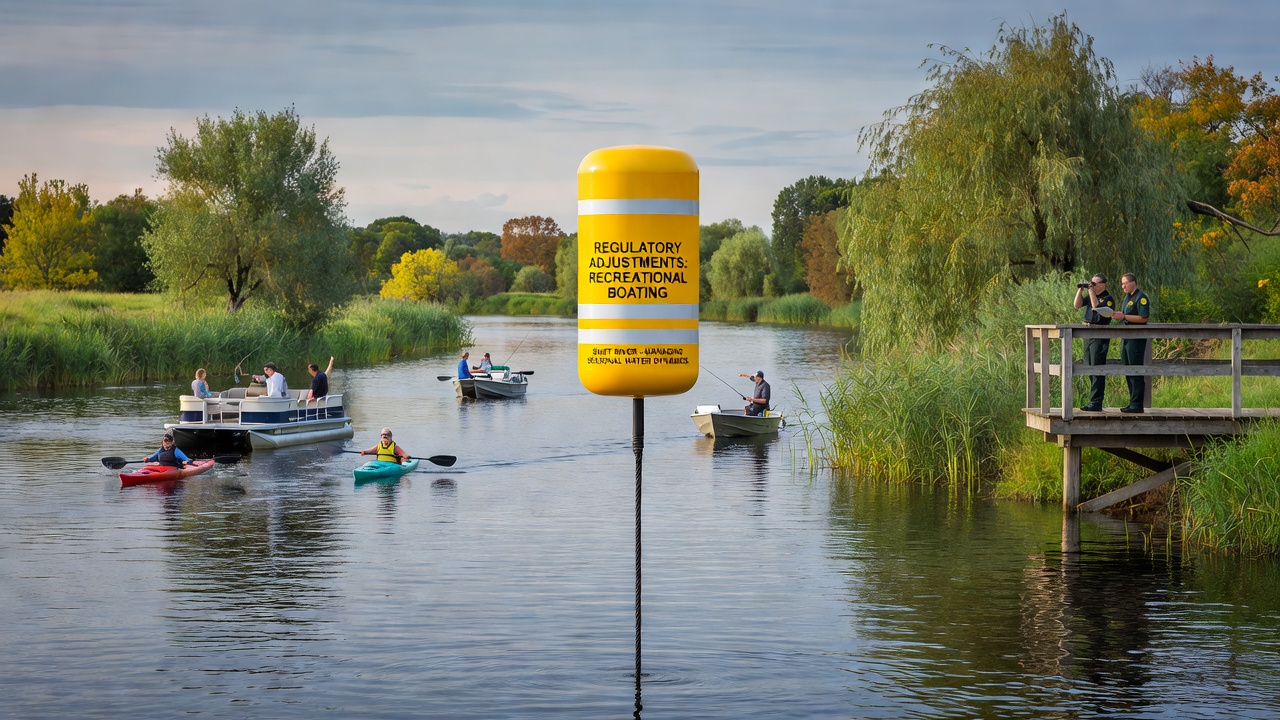
Regulatory adjustments for recreational boating on Swift River now align with fluctuating water levels that shift across spring runoff, summer lows, and autumn stabilization periods, and these changes mirror coordinated strategies used in watersheds nationwide. Data from monitoring stations indicate that peak flows in April and May often exceed safe navigation thresholds for smaller vessels, while August and September bring reduced depths that limit draft requirements. Officials have introduced variable speed zones, temporary launch closures, and permit conditions tied directly to real-time gauge readings maintained by the United States Geological Survey.
Observers note that the new framework requires boaters to check daily water stage reports before entering the river, and failure to comply can result in fines scaled to the degree of deviation. During high-water events, motorized craft face horsepower restrictions that reduce wake energy and protect shoreline stability, whereas low-water periods trigger minimum depth rules that keep propellers from disturbing sediment beds. These measures integrate with existing fish habitat protections already enforced by state wildlife agencies.
Seasonal Water Patterns Driving Policy Updates
Seasonal water dynamics on Swift River follow predictable cycles documented over decades of hydrologic records, and regulators have calibrated boating rules to those cycles rather than applying uniform year-round standards. Spring snowmelt combined with rainfall events raises levels rapidly, creating strong currents that demand higher operator skill and vessel power, while prolonged dry spells in midsummer lower the riverbed and expose hazards such as submerged logs and rock ledges. Data collected through October 2026 will establish baseline comparisons for the coming decade, allowing agencies to refine trigger points for each regulatory phase.
Researchers at regional universities have mapped how these fluctuations affect both recreational access and ecological functions, and their findings feed directly into the permitting process. For instance, when water drops below a designated mark, certain stretches convert to non-motorized zones to minimize disturbance to shallow spawning areas. The adjustments also coordinate with upstream dam operations that release controlled volumes to maintain navigable channels during peak recreational months.
Implementation of Variable Boating Rules
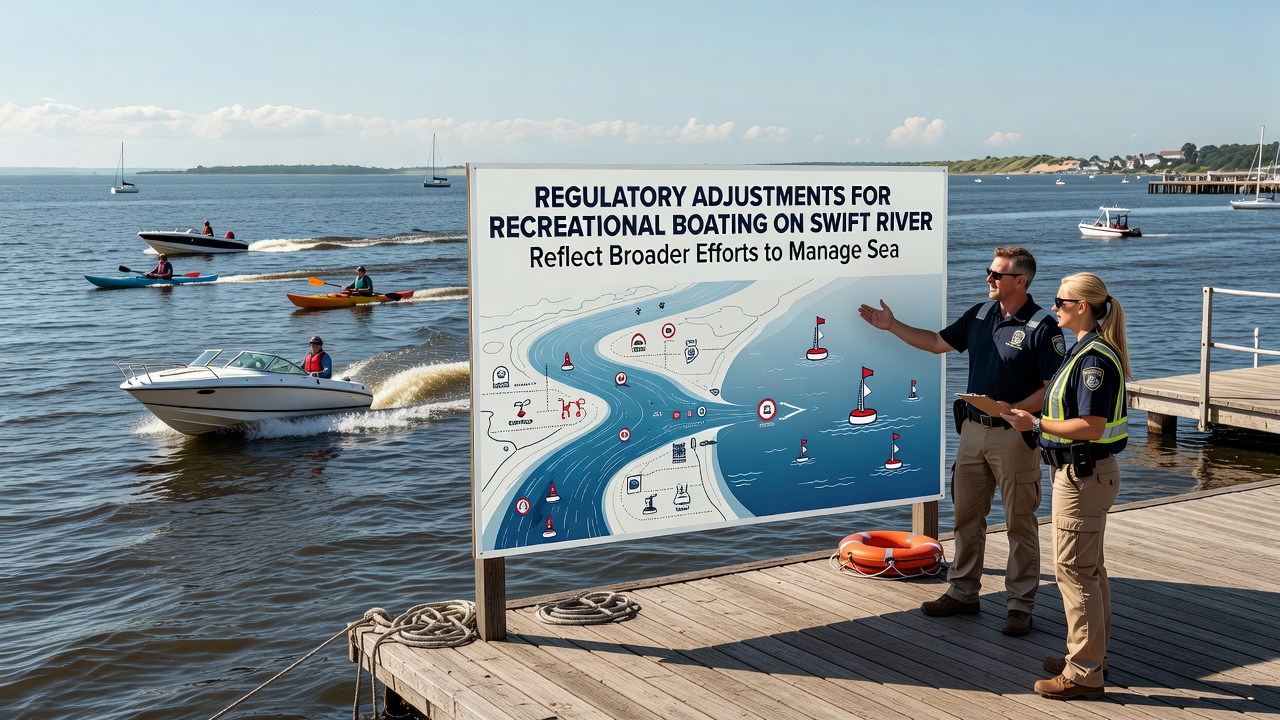
Local enforcement teams now post updated signage at every public access point each month, and digital alerts supplement those notices through mobile apps linked to gauge networks. Boaters must display a seasonal endorsement on their registration that corresponds to the current water regime, and the endorsement changes color to signal which restrictions apply. During October 2026, officials plan to test an automated notification system that sends text reminders when levels cross critical thresholds.
Industry groups representing outfitters and marina operators contributed operational data that helped shape the calendar of restrictions, ensuring that commercial trips could continue under adjusted schedules rather than facing blanket shutdowns. One marina located near the middle reach of the river adjusted its fleet composition to include more shallow-draft vessels after reviewing projected low-water windows, and similar adaptations appear at other commercial sites along the corridor.
Broader Watershed Coordination Efforts
Swift River regulations form one component of an interagency effort that also includes flood control modeling, irrigation withdrawals, and municipal water supply planning, and similar integrated approaches appear in other river systems managed by Environment and Climate Change Canada. Those programs link boating rules to reservoir release schedules so that downstream navigation windows remain predictable even when upstream storage priorities shift. Coordination meetings occur quarterly, and representatives from navigation, fisheries, and recreation sectors review the same hydrologic datasets.
Evidence from comparable basins shows that tying recreational rules to seasonal hydrology reduces both safety incidents and habitat stress, and Swift River managers have adopted the same data-sharing protocols. Real-time dashboards now display combined information from precipitation forecasts, reservoir levels, and boater density counts, allowing rapid adjustments when conditions deviate from seasonal norms.
Effects on Recreational Users and Local Economy
Recreational boaters have adapted by planning trips around published water-stage calendars, and many have joined volunteer monitoring programs that supply additional observations to regulatory offices. Rental companies report steady demand once customers understand the new endorsement system, and advance bookings now include water-level disclaimers that protect both operators and clients. The changes also encourage use of non-motorized craft during shoulder seasons when motorized restrictions tighten.
Local economies tied to river tourism continue to track visitation metrics against water availability, and preliminary figures reveal that adjusted seasons maintain overall participation rates even as activity shifts between months. Guides who once operated year-round now concentrate motorized tours in the higher-water windows of spring and early summer, while offering paddling and fishing excursions during lower periods.
Conclusion
Regulatory adjustments for recreational boating on Swift River continue to evolve in step with measured seasonal water dynamics, and the resulting framework supports both safe navigation and watershed health. Ongoing data collection through October 2026 and beyond will determine whether further refinements become necessary as climate patterns shift precipitation timing and volume. Boaters, outfitters, and resource managers now operate under a shared set of rules that respond directly to the river's natural cycles rather than imposing static conditions across all months.